


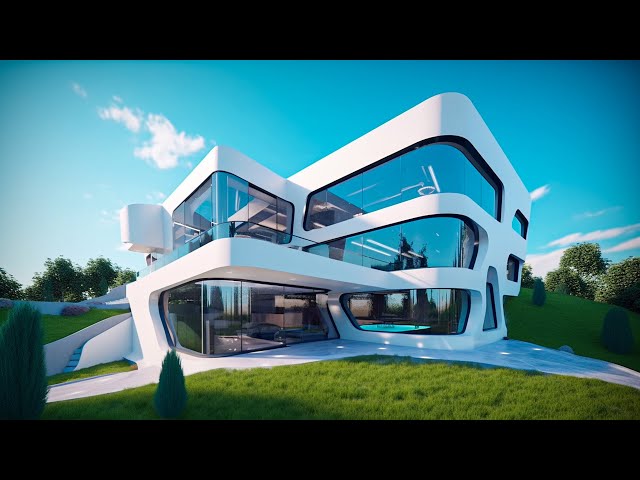
Smart Architecture: Designing Homes for the Future
Smart Architecture
Architecture has moved beyond traditional construction to embrace technology-driven design. Smart architecture focuses on creating homes that are efficient, adaptive, and sustainable. These homes are designed to improve quality of life while reducing environmental impact.
With the rise of smart devices and automation, homes are becoming more connected than ever before.
Core Principles of Smart Architecture
Home Automation Systems
One of the defining features of smart architecture is automation. Lighting, temperature, security systems, and appliances can be controlled remotely through smartphones or voice commands.
This level of control improves convenience and allows homeowners to manage energy usage more effectively.
Flexible and Multi-Functional Spaces
Modern architecture emphasizes flexibility. Rooms are no longer limited to a single purpose. A living room can double as a workspace, and a guest room can transform into a study area.
This adaptability is especially important in urban homes where space is limited.
Sustainable Design Practices
Sustainability is a major focus in modern architecture. Features like solar panels, rainwater harvesting, and energy-efficient appliances help reduce environmental impact.
Green building materials and eco-friendly construction techniques are also gaining popularity.
Materials and Design Innovations
Modern homes use materials like glass, steel, and engineered wood to create sleek and durable structures. Large windows allow natural light to enter, reducing the need for artificial lighting during the day.
Open floor plans and seamless indoor-outdoor connections are also key design elements.
Technology Integration in Daily Living
Smart homes integrate technology into everyday life. From automated curtains to intelligent security systems, technology enhances both comfort and safety.
Voice assistants and AI-driven devices are making homes more intuitive and user-friendly.
Gaming Rooms in Smart Homes
Gaming rooms are becoming a central feature in smart homes, designed with advanced technology and comfort in mind. These rooms often include high-resolution displays, surround sound systems, and customizable lighting setups.
Smart climate control ensures optimal temperature, while acoustic panels improve sound quality. Organized setups and modern furniture enhance both functionality and aesthetics.
For gamers looking to expand their digital entertainment options, incorporating platforms like Sikkim game into a smart gaming environment adds versatility and excitement. This integration highlights how technology can transform a simple room into an immersive experience.
Conclusion
Smart architecture represents the future of home design, combining technology, sustainability, and flexibility. By embracing automation and innovative design, homeowners can create spaces that are efficient, comfortable, and future-ready. Gaming rooms, as part of this evolution, showcase how modern homes are adapting to new forms of entertainment and lifestyle needs.